Spinal Microtherapy and Periradicular Therapy (PRT) in Düsseldorf
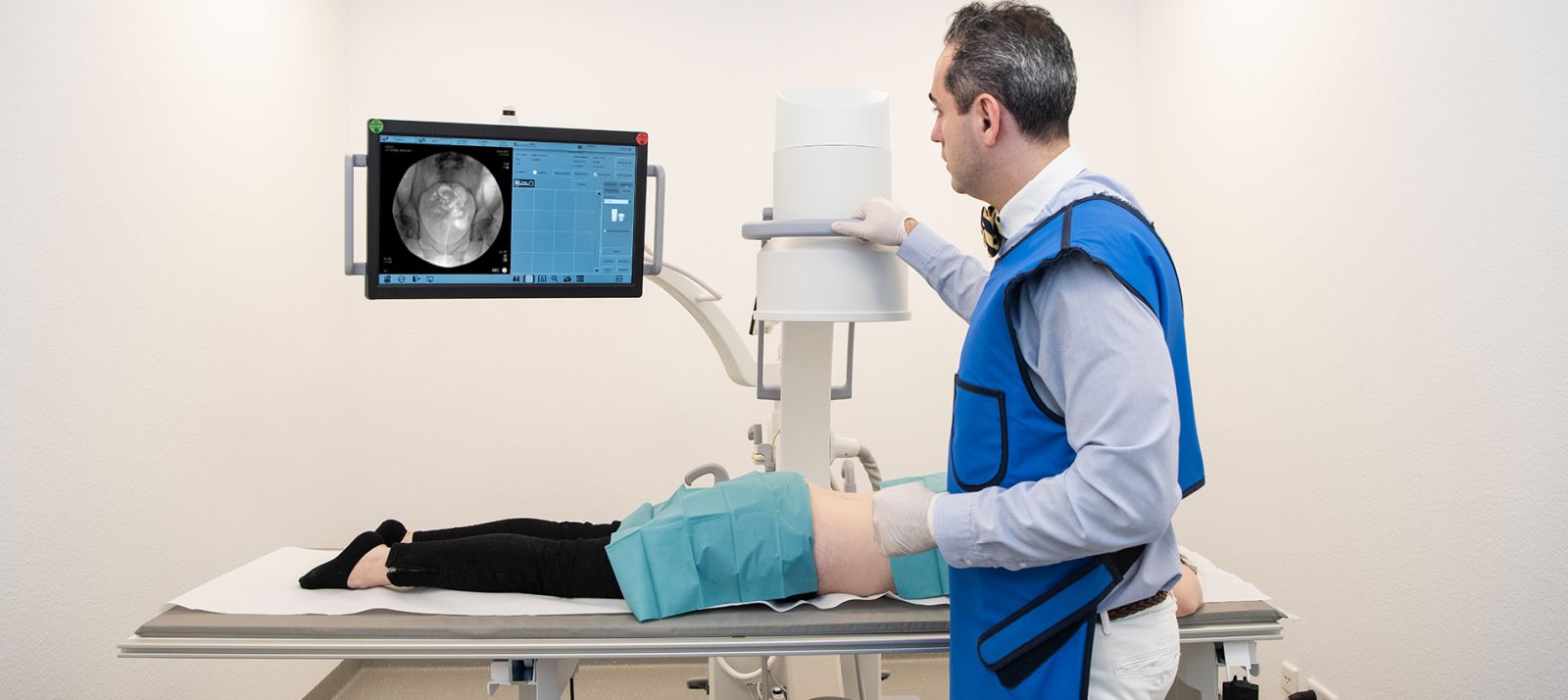
Our orthopaedic practices in Düsseldorf offer specialised spinal microtherapy for the treatment of back pain. This minimally invasive method uses image-intensifier-guided procedures for the precise injection of medication directly at the source of the pain. It is particularly suitable for patients with herniated discs, spinal canal stenosis and sciatic complaints. The treatment involves little pain and requires no special preparation. Many years of experience show a high success rate in reducing pain.
Modern technology and procedures for treating back pain and herniated discs
Spinal microtherapy is based on the use of imaging procedures such as computed tomography (CT) or fluoroscopy in order to ensure the exact positioning of the injections. Anti-inflammatory and pain-relieving medication can thereby be administered with precision. This technique reduces the burden on the patient and increases the effectiveness of the treatment.
Answers solely from the contents of this website. Anonymous, no diagnosis.
Effective treatment of herniated discs in Düsseldorf
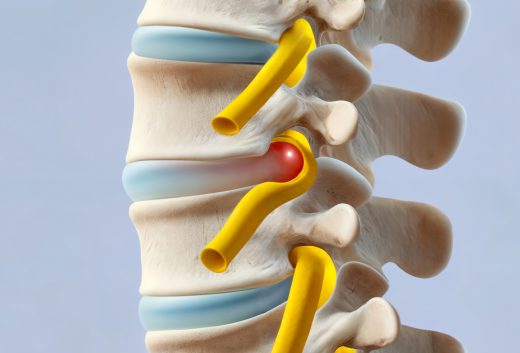
Herniated discs occur when the inner nucleus of a disc pushes through the outer covering and presses on nerves. This can cause severe pain, numbness and weakness. Microtherapy offers a precise method for pain relief and reduction of inflammation by injecting medication directly at the affected site.
Spinal stenosis: specialised treatment for narrowing of the spinal canal in Düsseldorf
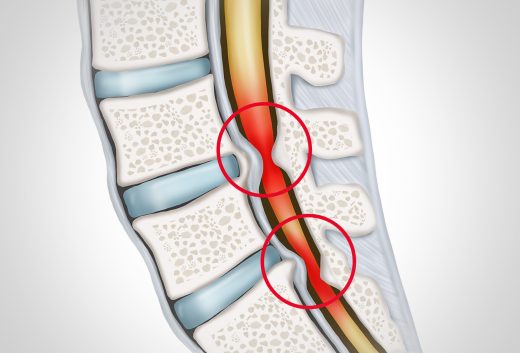
Spinal stenosis is a narrowing of the spinal canal that places pressure on the spinal cord and the nerves, which leads to pain and neurological symptoms. Microtherapy enables targeted injections that reduce the pressure and the inflammation, which leads to relief of the symptoms.
Relief of sciatic complaints at our orthopaedic practice in Düsseldorf
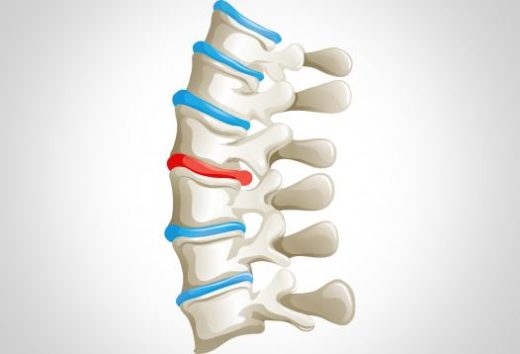
Sciatic complaints arise through irritation or compression of the sciatic nerve, often because of a herniated disc or spinal stenosis. Microtherapy can deliver medication precisely to the affected nerve in order to relieve pain and reduce inflammation.
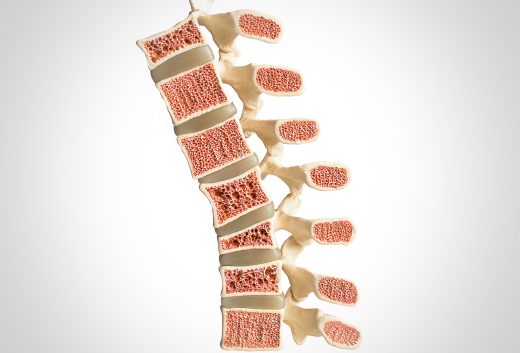
Modern treatment for degenerative changes of the spine in Düsseldorf
Degenerative changes such as osteoarthritis and facet joint syndrome can cause chronic pain. Through image-guided injections of anti-inflammatory medication we can treat the pain specifically and improve mobility.
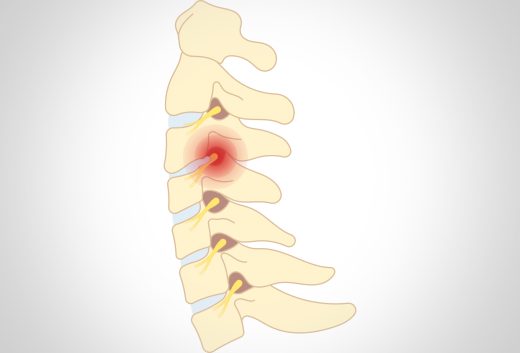
Treatment of facet joint syndrome and other spinal problems in Düsseldorf
Facet joint syndrome affects the small joints of the spine and leads to pain and stiffness. Microtherapy offers an effective way to relieve this pain through precise injections. Other specific spinal problems can also be treated specifically by this method.
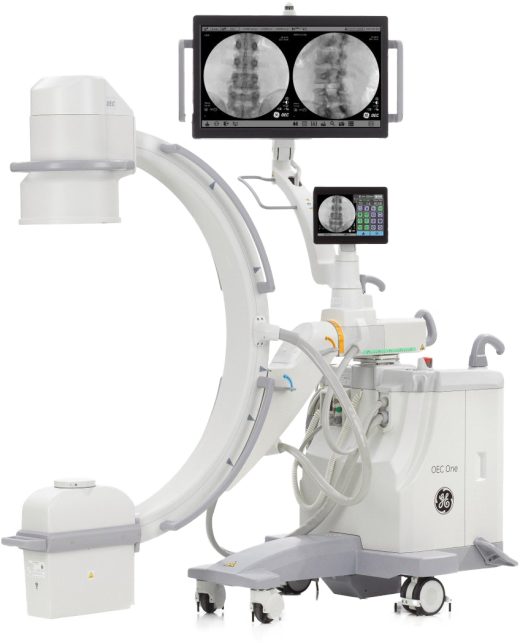
How spinal microtherapy works
The treatment is carried out as day surgery and generally takes about 15 to 30 minutes. No special preparation is required. After the treatment the patient remains under observation at our practice for a short time in order to ensure that no immediate side effects occur.
Experience and prospects of success with spinal microtherapy
Our practices in Düsseldorf have many years of experience in carrying out microtherapeutic procedures. Statistics show that 65 to 90 per cent of treated patients experience significant pain relief. Many patients report a marked improvement in their quality of life and a reduction in their pain medication.
Advantages of spinal microtherapy
- Minimally invasive and involving little pain
- High precision through image-intensifier-guided technology
- Short treatment time
- Rapid recovery and return to normal activities
- Low risks and few side effects
Patient reports on spinal microtherapy at our practices in Düsseldorf
Our patients value microtherapy for its rapid effect and the minimal burden it places on them. Many report that they feel a marked improvement in their complaints shortly after the treatment and can take part in life more actively again.
Trigger finger | snapping finger treatment | orthopaedics in Düsseldorf
Frequently Asked Questions: Spinal Microtherapy
What is meant by microtherapy?
Microtherapy is a minimally invasive treatment method in which fine instruments and needles are used under imaging control in order to deliver painkillers or other therapeutic agents precisely into affected regions of the body.
How long does pain last after a PRT injection?
After a PRT (periradicular therapy) injection, pain can generally persist for a few days. In most cases, however, marked pain relief sets in within 1 to 2 weeks.
How long does a facet infiltration last?
The effect of a facet infiltration can last from several weeks to months. The exact duration depends on individual factors and on the underlying condition.
How successful are facet joint injections in the spine?
Facet joint injections are often successful when correctly indicated and can lead to marked pain relief in about 60 to 80 per cent of patients.
How long are you free of pain after infiltrations?
Freedom from pain after infiltrations varies according to the patient and the type of infiltration. It can last from a few weeks to several months.
Is an infiltration paid for by health insurance?
Yes, infiltrations are generally covered by statutory health insurers provided they are medically indicated.
What speaks against an infiltration?
Acute infections at the injection site, allergies to the medication used, certain blood clotting disorders and pregnancy speak against an infiltration.
What side effects occur after an infiltration?
Possible side effects after an infiltration can be pain at the injection site, infection, bruising, temporary numbness or, in rare cases, allergic reactions.
Does health insurance cover spinal microtherapy?
Where there is a clear medical indication, statutory health insurance covers image-guided microtherapy and periradicular therapy (PRT). The extent differs between insurers and depends on the findings. We check your entitlement and tell you about possible personal contributions in Düsseldorf in advance.
How long does microtherapy take and when does it work?
The procedure takes about fifteen to thirty minutes and is carried out as day surgery. Pain relief often sets in within a few days. Usually two to four sessions one to two weeks apart are advisable, followed by physiotherapy.
Which exercises make sense after microtherapy?
Once the pain has eased, it is exactly the right moment for trunk strengthening, mobilisation and posture training so that the effect lasts. On the day of the procedure you should rest and not drive yourself. We coordinate the build-up of training with your physiotherapist.
More treatments for Spine Surgery
Complaints rarely come alone. We also offer these treatments from the same area in Düsseldorf.