Treatment of Fallen Arches, Splayfoot and Flat Feet in Düsseldorf
Claw toes or hammer toes, in Latin digitus malleus, are a misalignment of the lesser toes that can lead over time to a reduction in quality of life. These toes look almost identical, but they differ in that a claw toe is overextended at the base joint and bent at the middle and end joints, while a hammer toe is bent above all at the middle joint. They are usually painless at first, but pressure inside the shoe frequently produces corns and pressure points that can be very painful. Statistically, women are affected more often than men.
Fallen arches and splayfoot are among the most common causes of such toe misalignments. With a fallen arch the longitudinal arch drops, while with a splayfoot the transverse arch widens. These changes lead to an altered distribution of pressure in the forefoot and encourage the development of hammer toes and claw toes. Treatment of fallen arches and splayfoot in Düsseldorf generally involves conservative measures such as individually fitted orthopaedic insoles, suitable footwear and targeted foot exercises to stabilise the muscles. Early treatment can relieve complaints, prevent misalignment of the toes and improve foot function in the long term.
Answers solely from the contents of this website. Anonymous, no diagnosis.
What are fallen and splayed arches?
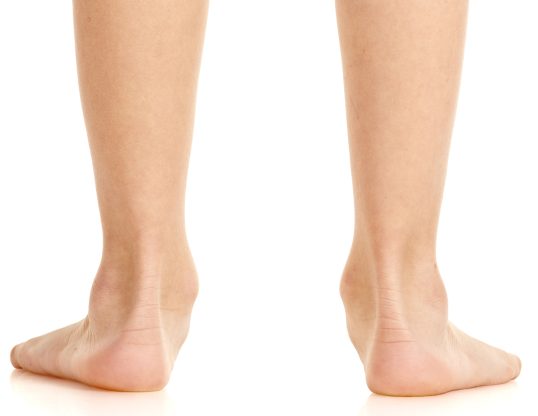
Fallen and splayed arches are a misalignment that can be either congenital or acquired. A fallen arch is a flattening of the longitudinal arch from the heel to the ball of the foot. As a result the foot rolls inwards and the ankle protrudes on the inner side. Such a foot is therefore also called a pronated foot.
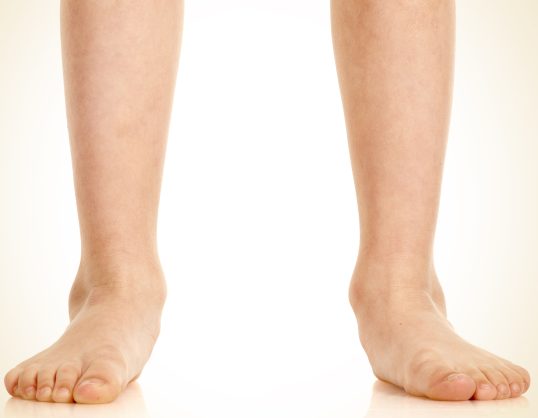
A splayfoot is characterised by the metatarsal bones moving apart, producing a lowering of the transverse arch of the foot. Such a finding is not always pathological, because during the development of a young person the leg axis passes through several stages and the misalignment can disappear again.
The causes of fallen arches and splayfoot
If it is not genetically determined, a weakness of the foot muscles is generally responsible for a fallen arch, arising from a sedentary way of life. Added to this is immobilisation by shoes, which prevents the natural training stimulus provided, for example, by walking barefoot.
With a splayfoot the picture is somewhat different. It arises through prolonged unfavourable loading of the foot and the wearing of unsuitable shoes. A weakness of the connective tissue can be added to this, which encourages the metatarsal bones to move apart.
Complaints caused by fallen and splayed arches
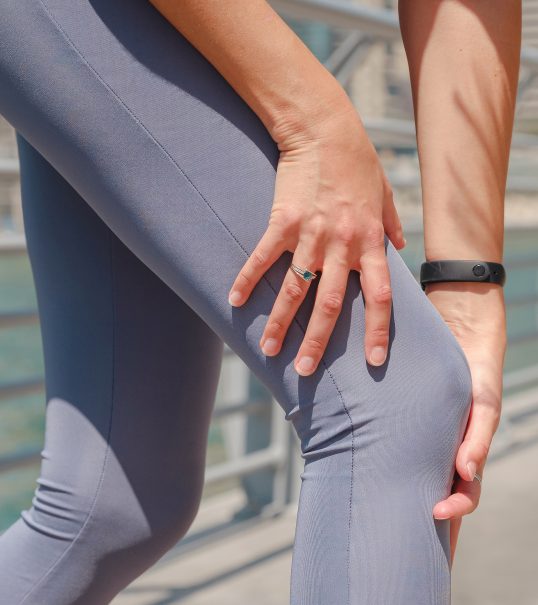
While findings of fallen and splayed arches in small children usually recede on their own and should have disappeared by about the age of six at the latest, the same diagnosis in adolescence absolutely requires orthopaedic treatment. A series of complaints and impairments arises, not infrequently in neighbouring joints as well, so that the adolescent has to suffer problems of the musculoskeletal system at an early age. These can be:
- Pain when walking or running
- restricted sporting activity
- pain in the ankle joint
- Kniegelenkschmerzen
- a tendency to twist the ankle
These are only a few points, and there can also be long-term consequences, such as permanent wear and weakness of several joints at once as a result of incorrect force transmission. That is why it is so important to intervene therapeutically at an early stage with fallen and splayed arches in adolescents in Düsseldorf.
The treatment of fallen arches and splayfoot
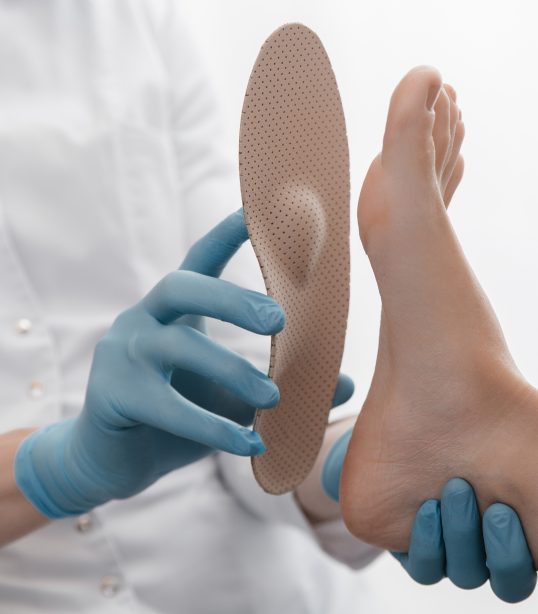
In order to guide the foot, which is still malleable at this age, back into a healthy position and anatomically correct function, your orthopaedic specialist in Düsseldorf proceeds conservatively only and refrains from invasive measures. This is entirely possible with the orthopaedic range of services available. Shoe insoles, supportive bandages and tapes achieve the best treatment results under the guidance and supervision of an experienced orthopaedic specialist. Physiotherapy and daily foot exercises are carried out in addition.
Do not hesitate to seek certainty if you suspect that your child may have a misalignment of the feet. At our practice a specialist examination is carried out and the correct diagnosis is made, together with an individual treatment concept.
Efficient and modern treatment methods for calcific shoulder tendinitis

Competent orthopaedic specialists in Düsseldorf – several practices and a high success rate
Frequently Asked Questions: Flatfoot and Splayfoot in Adolescents
Are insoles worthwhile for fallen and splayed arches?
Yes, insoles can be worthwhile for fallen and splayed arches, to relieve complaints and support the structure of the foot.
How many hours a day should insoles be worn?
Insoles should generally be worn throughout the day in order to achieve the greatest possible benefit.
Can a fallen arch recede?
In children a fallen arch can sometimes still recede; in adults this is rather unlikely.
Can a fallen arch be trained away?
With specific exercises the foot muscles can be strengthened and the symptoms of a fallen arch relieved, but complete correction through training is usually not possible.
Are fallen and splayed arches a disability?
Fallen and splayed arches are generally not a disability, but they can cause complaints and restrict mobility.
Is a splayfoot dangerous?
A splayfoot is not necessarily dangerous, but it can lead to pain and further foot problems.
How does a splayfoot make itself felt?
A splayfoot can make itself felt through pain, a widening of the forefoot and difficulty walking.
Does health insurance cover treatment for fallen and splayed arches?
Where there is a medical indication, statutory health insurance covers examination, insoles and physiotherapy. For children and adolescents the personal contribution usually does not apply. We clarify the extent of the cover with you in Düsseldorf before prescribing.
How long does treatment of fallen and splayed arches take?
In adolescents the foot is still malleable, so consistent treatment over several months up to two years works particularly well. Insoles are adjusted regularly during growth. We check the progress at fixed intervals.
Which exercises help with fallen and splayed arches?
Daily foot exercises such as toe curls, heel raises, standing on the balls of the feet and walking barefoot on soft ground strengthen the arch. The exercises work best in combination with suitable insoles. A physiotherapist puts together an age-appropriate programme.
More treatments for Foot | Ankle
Complaints rarely come alone. We also offer these treatments from the same area in Düsseldorf.