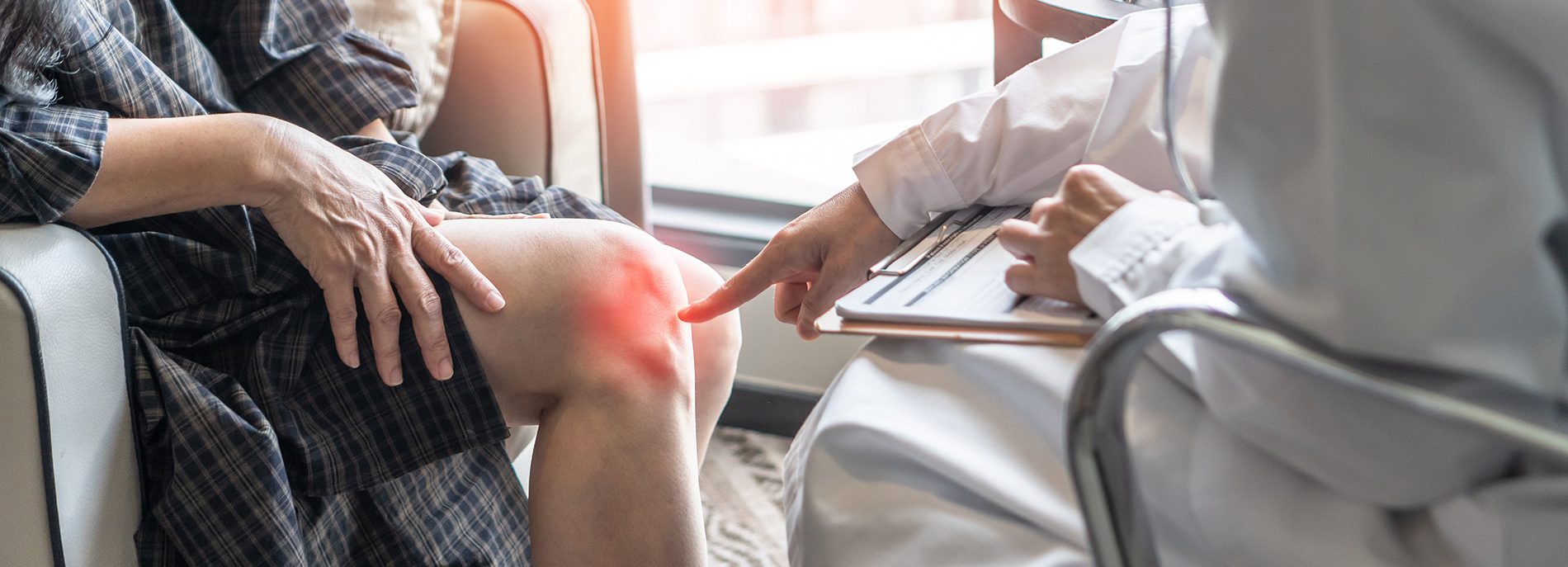
Treating Meniscus Tear and Meniscus Rupture in Düsseldorf
The meniscus is the crescent-shaped disc of tissue located in the knee joint between the thigh and the lower leg. Each knee joint has an outer and an inner meniscus, consisting of about 90 per cent cartilage tissue. The functions of the meniscus include:
- stabilising the knee joint
- enabling movement of the leg
- reducing the weight acting on the knee joint
- cushioning movement within the knee joint
- protecting the joint cartilage by reducing friction
A meniscus tear in Düsseldorf, also known as meniscus damage, meniscus lesion or meniscus rupture, is damage to or injury of the outer and/or inner meniscus. Tears of the inner meniscus occur more frequently than those of the outer meniscus.
Effective treatment of meniscus tears depends on the type, position and extent of the injury as well as on the age and activity level of the person affected. It can involve conservative measures such as rest, physiotherapy and anti-inflammatory medication or, in more severe cases, surgical procedures such as a meniscus suture or partial resection.
Answers solely from the contents of this website. Anonymous, no diagnosis.
Causes of a meniscus tear
A meniscus tear can be caused either traumatically (through an accident) or degeneratively (through wear or overloading). An accident-related meniscus tear often occurs in the context of sports injuries, dislocation of the knee joint or through sudden twisting movements with an abrupt stop, for example in football, tennis or skiing.
In many cases a meniscus tear is due to degenerative changes. The cause is usually age-related joint wear or chronic overloading of the knee joint, for example through excess weight or frequent work in a deep squat. This constant overloading can produce small tears in the cartilage tissue and lead to a meniscus tear. Congenital malformations of the meniscus, which can arise from leg misalignments such as knock knees or bow legs, are another possible cause of a meniscus tear.
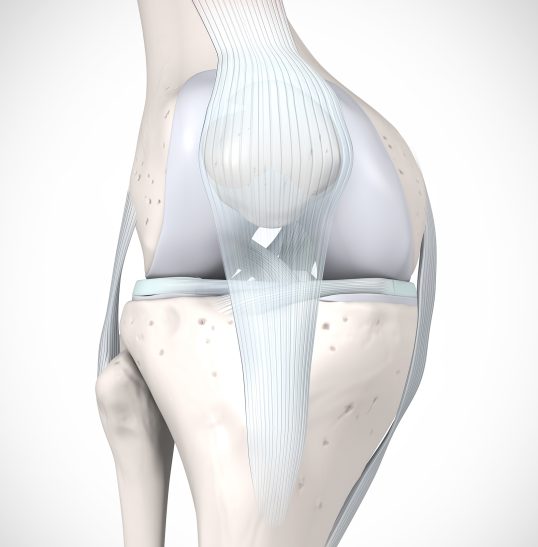
Symptoms of a meniscus tear
An accident-related meniscus tear typically shows itself at the moment of the accident through acute pain and swelling around the knee joint. This is frequently followed by locking of the knee joint, so that the knee can no longer be fully extended or bent.
A meniscus tear caused by wear or overloading produces pain in the knee joint above all under load, painful restrictions of movement or a feeling of instability. In the long term, a traumatic meniscus tear can also lead to knee osteoarthritis.
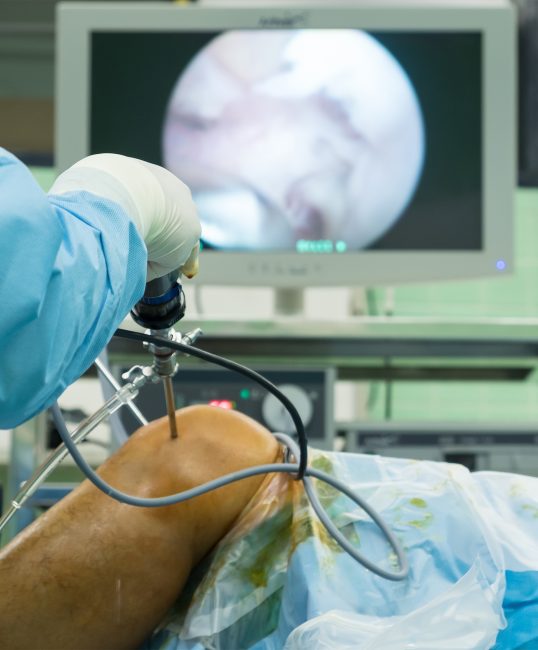
The treatment of a meniscus tear
Your orthopaedic specialist in Düsseldorf can treat a meniscus tear either conservatively or surgically. Conservative meniscus treatment relies above all on relieving the load on the menisci, pain management with medication and physiotherapy.
Depending on the type and extent of a meniscus tear, surgical treatment options can also be used. These include, for example, meniscus suture, partial meniscus resection or smoothing, and meniscus replacement.
We will be glad to discuss with you at our practice which form of treatment is suitable for your meniscus tear in Düsseldorf. You can also use our online appointment booking or call us directly during our consultation hours on the telephone number of the relevant practice. We are always glad to be here for you.
Efficient and modern treatment methods for calcific shoulder tendinitis

Competent orthopaedic specialists in Düsseldorf – several practices and a high success rate
Frequently Asked Questions: Meniscus Tear
Can a meniscus tear heal on its own?
Some meniscus tears, particularly those at the outer edge of the meniscus where there is a good blood supply, can heal on their own. Small tears can often heal with rest and suitable conservative treatment such as physiotherapy.
How long does a meniscus tear take to heal?
The healing time of a meniscus tear can vary and depends on the size and position of the tear as well as on the treatment. Typically it can take a few weeks to months.
How do you notice that the meniscus is torn?
Symptoms of a meniscus tear can be pain in the knee, swelling, a feeling of stiffness, a reduced range of movement or a noticeable clicking or locking in the knee.
Can I still walk with a meniscus tear?
Walking is often still possible, but it can be painful and worsen the symptoms. Resting or adapting activity is usually recommended.
What happens if a meniscus tear is not treated?
An untreated meniscus tear can lead to a worsening of the condition, including increasing pain, chronic instability of the knee and long-term damage such as osteoarthritis.
Is a knee support useful with a meniscus tear?
A knee support can help support and stabilise the knee, particularly during activity, but it should be used in combination with other treatment methods such as physiotherapy.
Is meniscus surgery necessary?
Whether surgery is necessary depends on the type of tear and the degree of symptoms. For severe or persistent symptoms that do not respond to conservative treatment, surgery may be recommended.
Is cycling good with a meniscus tear?
Cycling can often be well suited as a low-impact activity, since it puts less strain on the knee than running or jumping. It should, however, be adapted individually and carried out under the guidance of a specialist.
Does health insurance cover treatment for a meniscus tear?
Examination, MRI where indicated, physiotherapy and arthroscopic meniscus repair or partial removal are covered by statutory health insurance. In the case of an accident at work or on the way to work, the employers' liability insurance covers it. We clarify who pays in Düsseldorf in advance.
How long does recovery take after meniscus surgery?
After a partial removal you can usually bear everyday load again after two to four weeks. After a meniscus repair it takes longer: the knee bears only partial load for about six weeks and sport is possible again after three to six months.
Which exercises help with a meniscus tear?
Strengthening the thigh muscles, mobility exercises without end-range loading and proprioceptive training stabilise the knee. Avoid deep squats, rotational movements under load and jumping. The build-up depends on whether the meniscus was repaired or partially removed.
More treatments for Knee | Hip
Complaints rarely come alone. We also offer these treatments from the same area in Düsseldorf.